ESPOL strengthens capacities to face natural hazards through international scientific cooperation
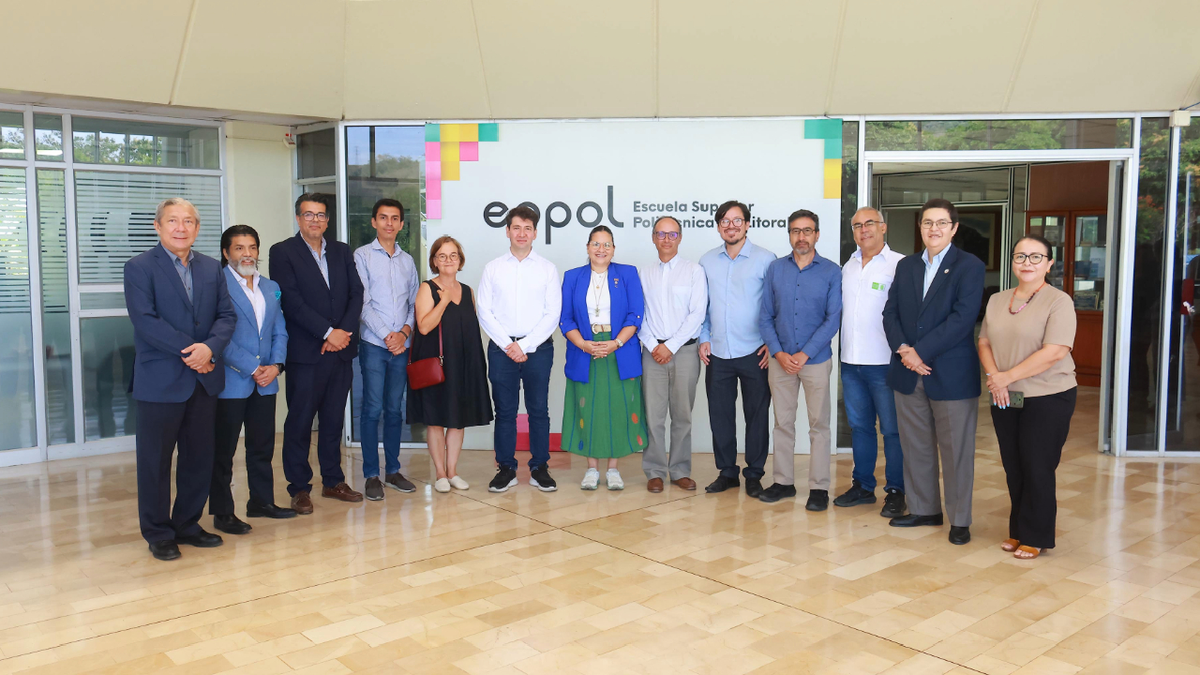
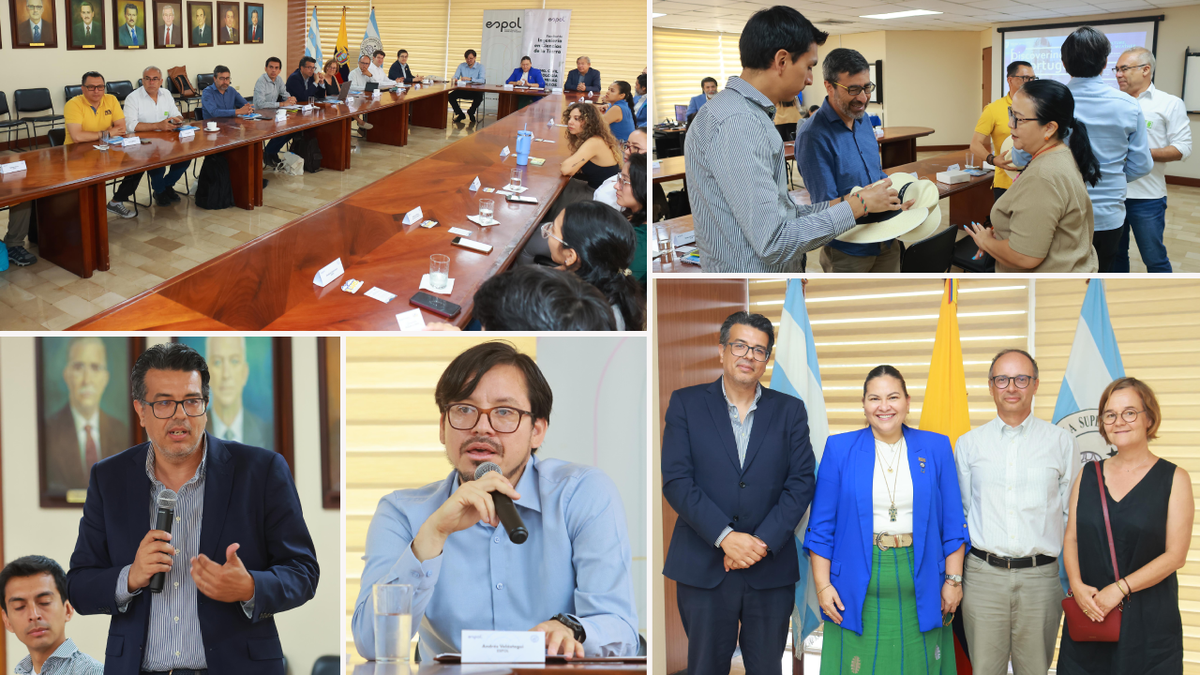
ESPOL received on the Gustavo Galindo Velasco campus representatives from universities in Europe and Latin America who are part of STARS (Spatial Tools for Assessing Risks in Sudden Natural Hazards), an international cooperation project funded by the European Union through the Erasmus+ programme.
The STARS program seeks to strengthen academic, scientific and technical capacities to assess and manage risks associated with sudden natural threats.
The visit brought together delegates from the University of Lisbon, Portugal; Lund University of Sweden; and the Industrial University of Santander, Colombia. ESPOL is a co-leader of the project, which also integrates the Universidad Técnica del Norte and the Universidad Pedagogica and Tecnológico de Colombia.
For the rector of ESPOL, Cecilia Paredes, the meeting reflects a way of understanding scientific cooperation. “We believe that there are no borders in science and that we can complement ourselves to solve problems,” he said during the visit.
STARS seeks to strengthen the prevention and mitigation of disasters such as earthquakes, landslides and floods. To this end, it includes the use of Geographic Information Systems, geospatial artificial intelligence, BIM and Earth observation data.
Andrés Velástegui, professor and researcher at the Faculty of Engineering in Earth Sciences (FICT) and project director at ESPOL, stressed that the cooperation built during the process allowed to consolidate this international alliance.
“When universities in different countries work a common vision, we not only strengthen our institutions, we contribute to the development of the regions,” said the polytechnic researcher.
The visit to Ecuador also allowed European members to directly know the territories and contexts where the project knowledge will be applied.
Bacelar explained that the mission seeks to bring researchers closer to areas exposed to natural phenomena frequent and relevant to the region, so they complied with an agenda in Santa Elena, where they would meet with local authorities.
STARS envisages developing content and courses that incorporate advances in geographic information systems, construction information models and geospatial artificial intelligence. These resources seek to support university education and will be available to participating institutions.
Finally, the initiative also plans to strengthen the capacities of teachers through training and discussion spaces on the implementation of these contents.
Originally published on https://www.espol.edu.ec/es/noticias/espol-capacidades-riesgos-naturales-cooperacion-stars